Guide
Start here
A plain-language orientation to clear aligners.
Independent information for New Zealand readers. Not affiliated with SmileDirectClub or any aligner provider.
Treatment guidance
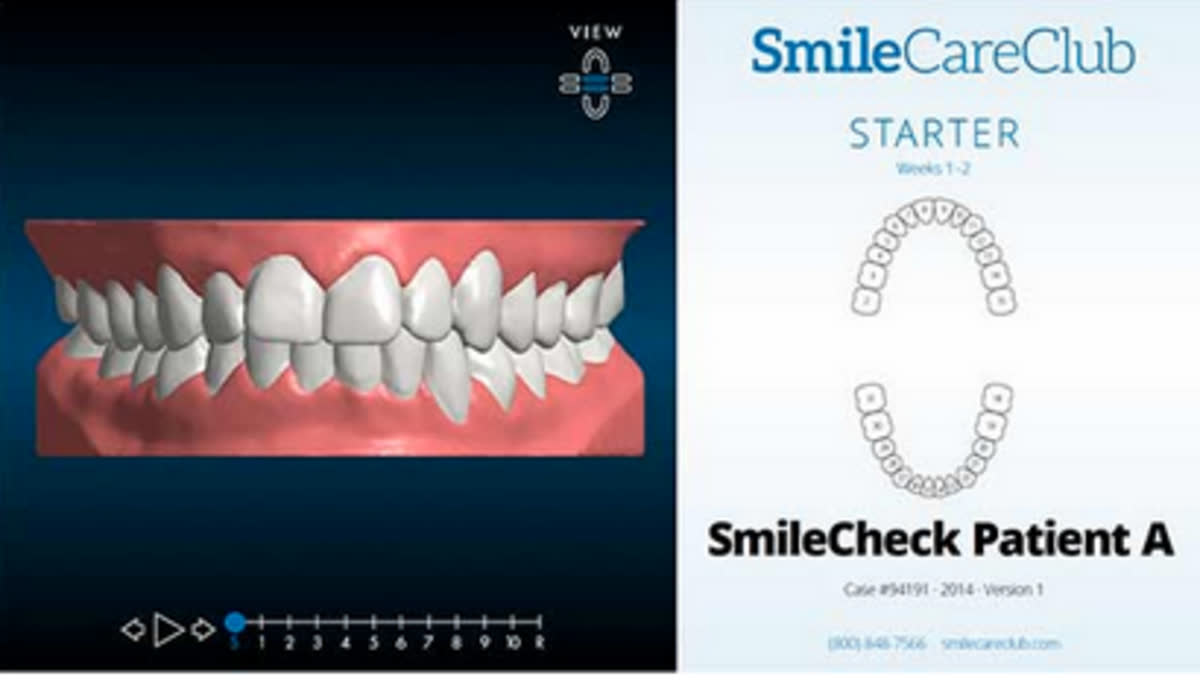
Clear aligner treatment has limits. Not every bite or tooth movement is
appropriate for aligners, and unsupervised use carries real risks. In New
Zealand, treatment is meant to be planned and monitored by a dentist or
orthodontist registered with the Dental Council of New Zealand.
This page lists general risks and limitations. It cannot assess your
specific case, and it does not give a wear schedule or instructions to
continue or stop any device.
Seek a registered practitioner promptly if you notice:
Moving teeth affects roots, gums, and bite. A practitioner reviews
progress at intervals to confirm movement is happening as planned and to
change the plan when it is not. Treatment without this review removes the
safety net the design of supervised care depends on.
Source: Dental Council of New Zealand — orthodontic resources
(https://dcnz.org.nz/patients-the-public-and-employers/orthodontic-resources-for-patients)
Sources checked: 2026-08-11
_The Aligner Guide editorial team. Editorially checked against cited
sources; not clinically reviewed._
This page provides general information, not diagnosis or treatment
advice. For advice about your circumstances, consult an oral-health
practitioner registered with the Dental Council of New Zealand.
Guide
Guide
Guide