Guide
Start here
A plain-language orientation to clear aligners.
Independent information for New Zealand readers. Not affiliated with SmileDirectClub or any aligner provider.
Treatment guidance
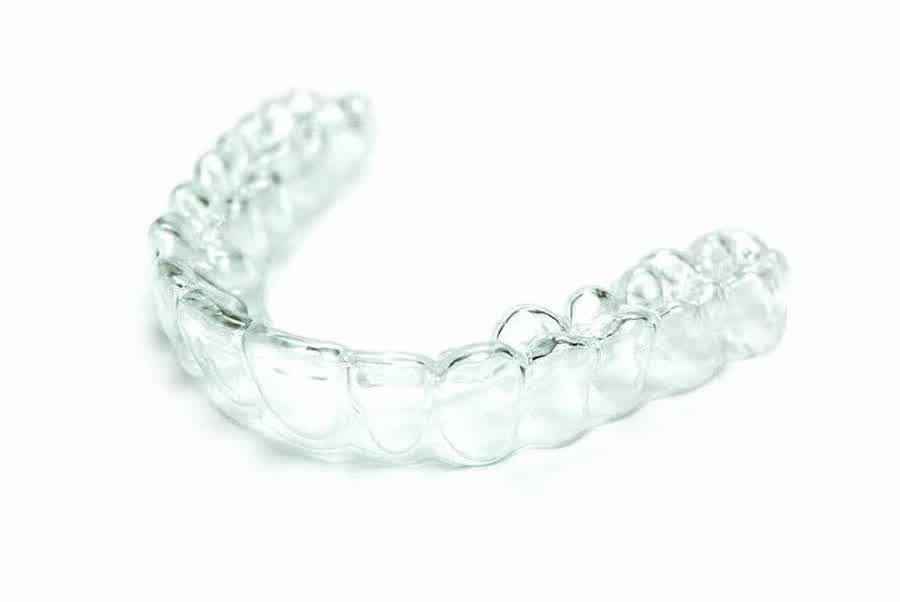
Before any aligner treatment in New Zealand, a registered practitioner
assesses whether treatment is appropriate. That assessment typically
involves records — impressions or a scan, photographs, and X-rays where
needed — a discussion of your goals, and a proposed plan with its limits.
This page describes what an assessment usually covers. It cannot tell you
what your own assessment will find, because that depends on your teeth,
bite, and oral health.
New Zealand?
progress stalls?
problems?
Write the answers down. A treatment plan you understand is easier to
review later.
Source: Dental Council of New Zealand — orthodontic resources
(https://dcnz.org.nz/patients-the-public-and-employers/orthodontic-resources-for-patients)
Sources checked: 2026-08-11
_The Aligner Guide editorial team. Editorially checked against cited
sources; not clinically reviewed._
This page provides general information, not diagnosis or treatment
advice. For advice about your circumstances, consult an oral-health
practitioner registered with the Dental Council of New Zealand.
Guide
Guide
Guide