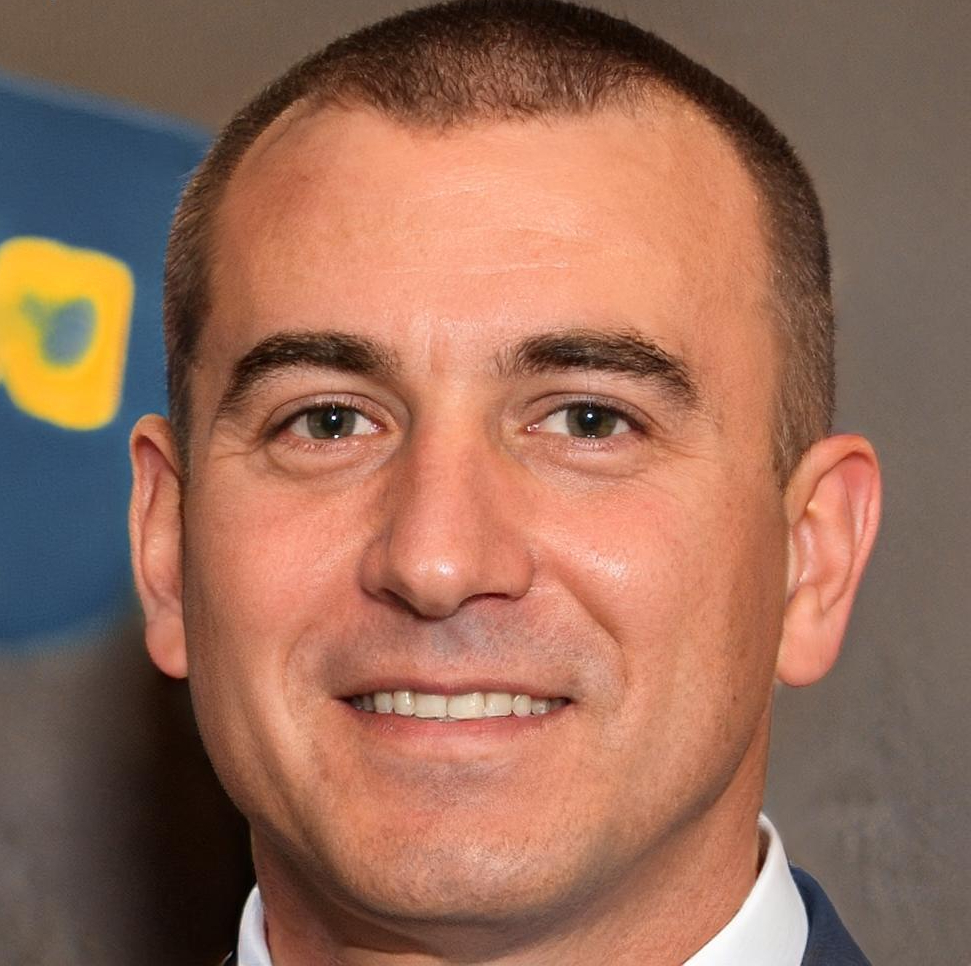
Peppermill Facial Recognition Arrest: Truck Driver’s Fight for Justice
A truck driver wrongfully arrested following a facial recognition error at the Peppermill Resort Casino in Reno, Nevada is speaking out, alleging that thousands of innocent Americans are detained each year because of faulty AI identification technology. The case has reignited a national debate about civil liberties, algorithmic bias, and the unchecked use of surveillance tools in commercial venues. Legal advocates say this single case may represent a much larger, systemic failure.
Peppermill Casino Facial Recognition Error Led to Wrongful Arrest in Reno
How the Misidentification Happened
The truck driver, whose identity has been partially shielded during ongoing legal proceedings, was stopped and detained by security personnel at the Peppermill Resort Casino in Reno, Nevada after facial recognition software flagged him as a match for a wanted individual. He had no prior criminal record and was not the person the system identified him as. According to reporting by Casino.org [1], the man was held against his will before law enforcement became involved, a sequence of events that his legal team argues violated his constitutional rights.
Facial recognition systems used in casinos typically cross-reference live camera feeds against databases of banned patrons, known cheaters, and in some cases, law enforcement watchlists. The core problem is that these systems carry documented error rates as high as 10 to 35 percent when identifying people with darker skin tones, according to a 2019 study by the National Institute of Standards and Technology (NIST). The truck driver’s case appears to fit a pattern that civil rights attorneys have been tracking for years.
The Peppermill Resort, a prominent casino and hotel property on South Virginia Street in Reno, has not issued a detailed public statement addressing the specific allegations. The incident reportedly occurred in 2023, though the driver’s public statements gained wider attention in early 2024 when he began speaking to media outlets about his experience.
The Driver’s Claims About Systemic Wrongful Detentions
The truck driver told reporters he believes his case is far from isolated, estimating that “thousands” of people across the United States are wrongfully detained each year due to facial recognition errors in casinos and other commercial settings. GamblingNews.com [2] reported that the man has connected with advocacy groups working to document similar cases nationwide. His estimate, while not independently verified, aligns with projections from the American Civil Liberties Union (ACLU), which has warned since 2018 that widespread facial recognition deployment would produce a significant volume of false positives.
Legal experts point out that casinos occupy a unique legal gray zone. As private property, they retain broad authority to detain individuals they suspect of wrongdoing, a practice known as a “citizen’s arrest” in many states. This means a facial recognition error inside a casino can result in detention without the procedural safeguards that apply to police stops. Nevada law does permit merchants and property owners to detain suspected wrongdoers for a “reasonable time,” but what constitutes reasonable remains contested in court.
The driver’s attorney has indicated they are exploring a civil lawsuit against the Peppermill Resort, citing false imprisonment and emotional distress. If the case proceeds to trial, it could set a significant legal precedent for facial recognition liability in the casino industry.
Wrongful Facial Recognition Arrests Are Affecting Thousands Across the U.S.
Who Is Most at Risk and Why
Research consistently shows that facial recognition technology performs worst on Black men, followed by other people of color and women. The MIT Media Lab published findings in 2018 showing that commercial facial recognition systems misidentified darker-skinned women at a rate of up to 34.7 percent, compared to just 0.8 percent for lighter-skinned men. While casino systems may use different software than those tested by MIT, the underlying algorithmic bias issues are broadly consistent across the industry.
At least 7 documented cases of wrongful arrest directly attributed to facial recognition errors have been reported in the United States since 2020, according to the Innocence Project and affiliated legal organizations. These include the cases of Robert Williams in Detroit in 2020, Michael Oliver in New Jersey, and Nijeer Parks, also in New Jersey, all of whom were arrested based on faulty facial recognition matches and later exonerated. Each of these men is Black, a pattern that civil rights advocates describe as a civil rights crisis embedded in technology.
The Peppermill case adds a new dimension: it involves a private commercial venue rather than direct law enforcement use. This distinction matters legally because casino detentions often lack the documentation, oversight, and accountability mechanisms that apply when police make an arrest.
Legal and Policy Consequences Now Unfolding
Several U.S. cities, including San Francisco, Boston, and Portland, Oregon, have banned government use of facial recognition technology since 2019. However, no federal law currently restricts private businesses, including casinos, from deploying these systems. The Illinois Biometric Information Privacy Act (BIPA), passed in 2008, remains one of the few state-level laws offering meaningful protection, and Illinois residents have successfully sued companies under BIPA for facial recognition violations.
Nevada, where the Peppermill is located, does not have a comparable biometric privacy law as of early 2024. This legal gap means the truck driver’s case may hinge on existing tort law rather than specific biometric statutes. Advocacy groups are now using his case to push Nevada legislators toward introducing biometric privacy protections similar to Illinois’s BIPA framework.
Facial Recognition in Casinos: A Growing Industry Worth Billions by 2027
| Jurisdiction | Facial Recognition Law | Casino Applicability |
|---|---|---|
| Illinois | BIPA (2008) – strict consent rules | Applies to private businesses |
| Nevada | No specific biometric law (2024) | Casinos operate largely unrestricted |
| Texas | CUBI Act – consent required | Applies but enforcement is limited |
| California | CCPA covers biometric data | Partial protections for consumers |
| Federal (U.S.) | No federal biometric privacy law | No restrictions on casino use |
The global facial recognition market was valued at approximately $5 billion in 2021 and is projected to reach $12.67 billion by 2028, according to Fortune Business Insights. The casino and gaming sector represents one of the fastest-growing adopters, with major operators investing heavily in surveillance infrastructure since 2018. Casinos cite fraud prevention, self-exclusion enforcement, and security as primary justifications for deployment.
The Nevada Gaming Control Board oversees casino operations in the state but does not currently mandate specific standards for facial recognition accuracy or require casinos to disclose error rates to regulators. This regulatory silence has allowed casinos to deploy systems from multiple vendors, including NEC, Genetec, and smaller specialized providers, without standardized performance benchmarks. Industry insiders estimate that more than 60 percent of major U.S. casino resorts now use some form of facial recognition technology. [3]
The Peppermill Resort is a well-established property with over 1,600 rooms and a 90,000-square-foot casino floor. It operates extensive surveillance infrastructure, as required by Nevada gaming regulations, which mandate comprehensive camera coverage of all gaming areas. The addition of facial recognition to that infrastructure represents a significant escalation in the scope of patron monitoring.
Why Dental and Cosmetic Health Readers Should Pay Attention to Biometric Privacy
Biometric data, including facial scans, is increasingly collected not just in casinos but across healthcare and cosmetic service settings. Dental clinics and cosmetic health providers in New Zealand and Australia are beginning to explore digital imaging and AI-assisted diagnostics that capture detailed facial geometry. Understanding how biometric data can be misused, and what legal protections exist, is directly relevant to anyone who consents to facial scanning as part of a health or cosmetic treatment. If you use a service that captures your facial structure digitally, it is worth asking how that data is stored, who can access it, and whether it could ever be shared with third-party systems.
Key Takeaways
- A truck driver was wrongfully arrested at the Peppermill Resort Casino in Reno, Nevada after facial recognition software misidentified him as a criminal suspect.
- The driver claims thousands of innocent people are detained annually in similar facial recognition errors at U.S. casinos and other private venues.
- NIST research from 2019 found facial recognition error rates as high as 35 percent for certain demographic groups, particularly darker-skinned individuals.
- At least 7 documented wrongful arrests directly linked to facial recognition errors have occurred in the United States since 2020, including the cases of Robert Williams, Michael Oliver, and Nijeer Parks.
- Nevada has no biometric privacy law as of 2024, leaving casino patrons with limited legal recourse compared to residents of Illinois, which has the BIPA law since 2008.
- The global facial recognition market is projected to reach $12.67 billion by 2028, with casinos among the fastest-growing adopters of the technology.
- The truck driver’s legal team is pursuing a civil lawsuit for false imprisonment and emotional distress, a case that could set a precedent for facial recognition liability in private commercial venues.
Frequently Asked Questions
Can a casino legally detain you based on facial recognition?
In Nevada and most U.S. states, casinos as private property owners can detain individuals they reasonably suspect of wrongdoing for a limited time under merchant detention laws. However, if the basis for that detention is a facial recognition error, the detainee may have grounds for a civil lawsuit for false imprisonment. No federal law currently prohibits casinos from using facial recognition to initiate detentions.
How accurate is facial recognition technology used in casinos?
Accuracy varies significantly by vendor and demographic group. A 2019 NIST study found error rates ranging from less than 1 percent for lighter-skinned males to over 35 percent for darker-skinned females across commercial systems. Casino operators are not currently required by Nevada regulators to disclose the accuracy rates of their specific systems, making independent verification difficult.
What happened to the truck driver wrongfully arrested at the Peppermill?
The truck driver was detained at the Peppermill Resort Casino in Reno, Nevada after being misidentified by facial recognition software. He was not the person the system flagged him as and had no prior criminal record. His legal team is pursuing a civil case against the casino, and he has spoken publicly about what he believes is a widespread pattern of similar wrongful detentions affecting thousands of people annually. [1][2]
Which U.S. states have laws protecting people from facial recognition misuse?
Illinois has the strongest protection through the Biometric Information Privacy Act (BIPA), enacted in 2008, which requires consent before collecting biometric data and allows individuals to sue for violations. Texas has the CUBI Act and California offers partial protection under the CCPA. Nevada, where the Peppermill case occurred, has no specific biometric privacy law as of early 2024.
The Bottom Line
The Peppermill facial recognition case is not an isolated incident or a technical glitch. It is a visible symptom of a system in which powerful surveillance technology has been deployed in commercial settings with minimal regulation, no standardized accuracy requirements, and little accountability when things go wrong. The truck driver’s willingness to speak publicly has given a human face to a problem that researchers and civil rights advocates have documented for years.
What changes from here depends largely on whether Nevada legislators respond to advocacy pressure, whether the civil lawsuit succeeds in establishing liability, and whether the casino industry chooses to self-regulate before courts or lawmakers force the issue. The documented cases of wrongful arrest, the NIST accuracy data, and the absence of a federal biometric privacy law all point toward a system that urgently needs reform. Every person who walks through a casino door, or any venue using facial recognition, deserves to know the technology scanning their face meets a minimum standard of accuracy before it can be used to detain them.
Until that standard exists in law, the risk of being the next wrongfully detained innocent person remains real, and the truck driver from Reno is determined to make sure that risk is no longer invisible.
Read the Full Peppermill Facial Recognition Story
Read the Full Story at Casino.org
18+ | Play Responsibly | T&Cs Apply
Sources
- Casino.org – Reporting on the truck driver’s wrongful arrest at the Peppermill Resort Casino in Reno, Nevada
- GamblingNews.com – Coverage of the driver’s public statements and connections with advocacy groups documenting similar cases
- Casino.org – Industry data on facial recognition adoption rates among major U.S. casino operators