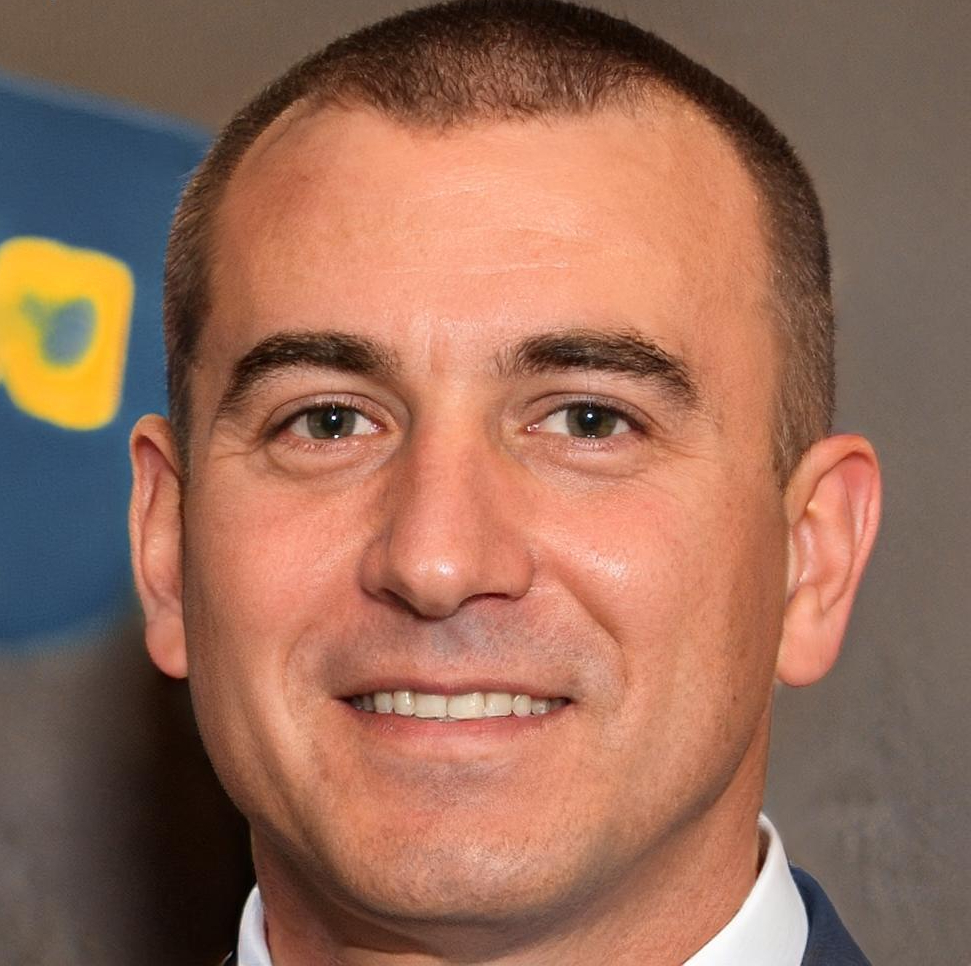
Maria Dickerson Securities Fraud: $10M Investor Scheme Exposed
Maria Dickerson has pleaded guilty to securities fraud after orchestrating an investment scheme that collected over $10 million from roughly 156 victims across the United States. She promised investors a compounding 10% monthly return, then spent the money on gambling, private jet travel, and high-end purchases. Dickerson now faces a maximum combined sentence of up to 40 years in federal prison.
Maria Dickerson Pleads Guilty to Securities Fraud Involving $10M Scheme
How the Investment Scheme Operated
Maria Dickerson built her scheme on a single, irresistible promise: a guaranteed 10% monthly return with compounding interest. That pitch, repeated to approximately 156 investors, generated more than $10 million in contributions. A 10% monthly return would equate to roughly 120% annually, a figure that legitimate, regulated investment products simply cannot reliably deliver.
Prosecutors allege Dickerson used classic Ponzi-style mechanics, paying early investors with funds collected from newer participants to sustain the illusion of returns. The scheme collapsed, as virtually all such arrangements do, once incoming capital could no longer cover the fabricated payouts. Federal authorities charged her with securities fraud under statutes that carry severe penalties precisely because investor harm is so widespread and difficult to reverse [1].
Dickerson entered a guilty plea to one count of securities fraud, a significant legal admission that removes the possibility of a not-guilty verdict at trial. The plea agreement signals that prosecutors likely hold substantial documentary evidence, including financial records, communications, and transaction histories linking her directly to the misuse of investor funds.
Where the $10 Million Actually Went
Rather than placing investor funds into any legitimate financial instrument, Dickerson financed a lifestyle built around gambling, private jet charters, and luxury purchases. Gambling losses alone can consume capital at extraordinary speed, particularly at high-stakes venues where sessions can cost tens of thousands of dollars in a single sitting [2]. None of the $10 million was deployed into the investment vehicles Dickerson described to her victims.
The use of private jets is a recurring feature in high-profile fraud cases because charter costs are both enormous and largely invisible to outside observers. A single transcontinental private jet charter in the United States can cost between $20,000 and $100,000 depending on aircraft type and distance, according to aviation industry data. Multiply that across dozens of trips and the capital destruction becomes clear.
Luxury purchases completed the spending pattern. Federal fraud investigators typically trace these expenditures through bank records, credit card statements, and casino player-card data, building a financial timeline that directly contradicts any claim that investor money was placed into legitimate accounts.
156 Investors Defrauded: The Real Human Cost of Dickerson’s Scheme
Who the Victims Were and What They Lost
The 156 investors who contributed to Dickerson’s scheme represent a cross-section of people who trusted a personal pitch over institutional due diligence. Fraud schemes that promise high monthly returns disproportionately target individuals who lack access to traditional wealth management services, retirees seeking income, and small business owners looking to grow capital outside conventional markets. The average loss per investor in this case exceeded $64,000, based on the $10 million total divided across 156 participants.
Recovery of funds in securities fraud cases is rarely complete. The U.S. Securities and Exchange Commission (SEC) notes that when fraudsters spend investor money on personal consumption, including gambling and luxury goods, the assets are typically gone and cannot be clawed back in full. Victims may receive partial restitution through court-ordered payments, but those payments depend entirely on what assets remain after sentencing [1].
The psychological toll on fraud victims extends well beyond financial loss. Research published by the Financial Industry Regulatory Authority (FINRA) Investor Education Foundation found that investment fraud victims report significantly higher rates of stress, depression, and damaged personal relationships compared to the general population. For many of Dickerson’s 156 victims, the loss of $64,000 or more represents years of accumulated savings.
The Role of Gambling in Accelerating the Fraud
Gambling played a central role in depleting investor funds at speed. Unlike luxury goods, which retain some resale value, gambling losses are permanent and instantaneous. Casino records subpoenaed during federal investigations frequently reveal the full scale of losses, and in cases involving millions of dollars, those records become key prosecution exhibits [2].
Problem gambling and financial fraud intersect more often than most people realize. A 2019 report by the National Council on Problem Gambling estimated that compulsive gamblers in the United States lose an average of $55,000 before seeking help, and a subset fund their gambling through fraudulent means. Dickerson’s case fits a documented pattern where gambling addiction drives escalating fraud to cover mounting losses.
Securities Fraud Penalties in 2024: What a 40-Year Maximum Sentence Means
| Charge | Maximum Prison Term | Typical Restitution Requirement |
|---|---|---|
| Securities Fraud (single count) | 20 years | Full investor losses |
| Wire Fraud (related count) | 20 years | Full investor losses |
| Combined maximum (Dickerson) | Up to 40 years | $10M+ sought by prosecutors |
Under U.S. federal law, a single count of securities fraud carries a maximum sentence of 20 years in prison. Dickerson faces multiple fraud counts, which stack to produce the 40-year maximum figure cited by prosecutors. Federal sentencing guidelines, however, calculate actual recommended sentences based on the dollar amount of loss, the number of victims, and whether the defendant obstructed justice or abused a position of trust [1].
With losses exceeding $10 million and more than 150 victims, Dickerson’s sentencing guideline range will almost certainly fall in the upper tier of the fraud table. The U.S. Sentencing Commission’s 2023 data shows that the median sentence for federal fraud offenders whose schemes caused losses between $9.5 million and $25 million was 63 months, though judges retain discretion to depart upward based on aggravating factors like the use of proceeds for gambling and personal enrichment.
A guilty plea typically results in a sentencing reduction of approximately 2 to 3 levels under the guidelines, reflecting acceptance of responsibility. Even with that reduction, Dickerson faces a substantial custodial sentence. The court will also order restitution, requiring her to repay the $10 million to victims, though collection depends on her future earning capacity and any remaining assets [1].
High-profile fraud cases like this one send a deliberate deterrence signal. The Department of Justice has prioritized investment fraud prosecutions since 2020, and the SEC’s enforcement division filed 784 enforcement actions in fiscal year 2023 alone, according to the agency’s annual report. Dickerson’s case adds to a growing record of prosecutions targeting individuals who exploit personal trust to access investor capital.
What This Case Means for Anyone Managing Their Financial Health
For readers focused on health and wellbeing, including those investing in dental and cosmetic treatments, the Dickerson case carries a direct practical lesson: any investment offer promising fixed high monthly returns with no risk is a fraud warning sign, not a financial opportunity. Whether you are saving for orthodontic treatment, a smile makeover, or long-term health expenses, protecting that capital from fraudulent schemes is as important as choosing the right provider.
The SEC publishes a free investor alert database at investor.gov that allows anyone to verify whether a person or company is registered to sell securities. Before committing funds to any investment scheme, spending 10 minutes on that database can prevent the kind of catastrophic loss that Dickerson’s 156 victims experienced. Legitimate investment advisers welcome regulatory scrutiny; fraudsters avoid it.
Financial stress caused by investment fraud has documented health consequences. A 2021 study in the Journal of Financial Therapy found that significant financial loss correlates with delayed medical and dental care, as victims prioritize debt repayment over preventive health spending. Protecting your savings from fraud is, in a very real sense, protecting your long-term health outcomes as well.
Key Takeaways
- Maria Dickerson pleaded guilty to one count of securities fraud after collecting over $10 million from approximately 156 investors.
- She promised investors a 10% monthly compounding return, equivalent to roughly 120% annually, which no legitimate regulated product reliably delivers.
- Investor funds were spent on gambling, private jet travel, and luxury purchases rather than any investment vehicle.
- Dickerson faces a maximum combined sentence of up to 40 years in federal prison across all fraud counts.
- The average loss per investor exceeded $64,000, based on $10 million divided across 156 participants.
- The SEC filed 784 enforcement actions in fiscal year 2023, reflecting sustained federal pressure on investment fraud schemes.
- Victims can verify investment adviser registration for free at investor.gov before committing any funds to an investment offer.
Frequently Asked Questions
What is Maria Dickerson sentenced to for securities fraud?
As of the guilty plea, sentencing has not yet been handed down. Dickerson faces a maximum of up to 40 years in federal prison across the fraud counts she pleaded guilty to. The actual sentence will be determined by federal sentencing guidelines, which factor in the $10 million loss amount and the 156 victims affected [1].
What is the penalty for securities fraud in the United States?
A single count of securities fraud under U.S. federal law carries a maximum prison term of 20 years. Additional counts, such as wire fraud, can stack to increase the total maximum exposure. Courts also typically order full restitution to victims and may impose civil monetary penalties through the SEC [1].
How did Maria Dickerson’s investment scheme work?
Dickerson convinced approximately 156 investors to contribute over $10 million by promising a guaranteed 10% monthly return with compounding interest. Instead of investing the funds, she used the capital to finance gambling, private jet charters, and luxury purchases. The scheme operated on Ponzi-style mechanics, using new investor money to simulate returns for earlier participants [2].
How can I tell if an investment offer is a scam?
Key red flags include guaranteed high monthly returns, pressure to invest quickly, and reluctance to provide verifiable registration details. The SEC recommends checking any investment adviser or firm at investor.gov before committing funds. Legitimate advisers are registered with FINRA or the SEC and welcome verification [1].
The Bottom Line
Maria Dickerson’s guilty plea to securities fraud is a stark reminder that investment schemes built on impossible promises always collapse, and the people left holding the loss are ordinary investors who trusted a persuasive pitch. Over $10 million vanished into casinos, private terminals, and luxury retailers, leaving 156 people with an average loss exceeding $64,000 each. The 40-year maximum sentence Dickerson faces reflects how seriously federal law treats the deliberate exploitation of investor trust.
This case also reinforces a broader truth about financial fraud: the more attractive the promised return, the more urgently you should verify the credentials of the person making the offer. A 10% monthly return is not a financial product. It is a recruitment pitch for a scheme that will eventually fail. The SEC’s free verification tools exist precisely to close the gap between a convincing salesperson and the legal record that exposes them [1].
Dickerson’s sentencing will set a public benchmark for how courts treat large-scale investment fraud in the current enforcement environment. Whatever sentence the court imposes, the 156 investors who lost their savings will carry the consequences long after the courtroom doors close.
Stay Informed on Investment Fraud and Financial Crime News
18+ | Play Responsibly | T&Cs Apply
Sources
- GamblingNews.com – Reporting on Maria Dickerson’s guilty plea, investor losses, and federal fraud charges including the 40-year maximum sentence exposure.
- Gambling911.com – Coverage of how Dickerson’s investor funds were spent on gambling and luxury lifestyle expenditures.
- U.S. Securities and Exchange Commission – SEC fiscal year 2023 enforcement report citing 784 enforcement actions and investor protection resources at investor.gov.